
Frozen Vs Fresh
Frozen vs Fresh vs Processed

A simple, science-backed guide for VegCrop customers
One-line truth: “Frozen” is not the same as “processed junk.” Freezing is a preservation method; ultra-processed foods are a different category altogether. (Reference)
The 3-way comparison (what it really means)
1) Fresh
What it is: Just-harvested produce that you buy and cook at home.
Best for: Salads, same-day cooking, taste preference.
Reality check: “Fresh” in a city can spend time in transport + storage before reaching your kitchen.
2) Frozen (IQF like VegCrop / Veginatural)
What it is: Produce that is cleaned, cut, and quick-frozen to preserve quality.
Nutrition: Frozen fruits & vegetables can have similar levels of vitamins and nutrients as fresh.
Best for: Daily cooking, consistent quality, less waste, fast meals.
3) Processed / Ultra-Processed
What it is: Foods changed significantly; ultra-processed foods are typically industrial formulations and often contain multiple processed ingredients and additives.
Best for: Occasional convenience—but choose carefully. (Reference)
Quick decision rule (for every shopper)
✅ Fresh or Frozen is a “YES” when the ingredient list is just the vegetable/fruit.
⚠️ Be cautious when the ingredient list is long (added sugar/salt, flavours, emulsifiers, colours, etc.)—that’s where ultra-processing usually starts. (Reference)
“But frozen is processed, right?”
Freezing is widely used as a food preservation method that helps preserve taste, texture, and nutritional value.
So yes, freezing is a type of processing in the broad sense—but it is not what most people mean by “processed junk food.” The health concern is mainly around ultra-processed products
🥬 Fresh Spinach vs Frozen Spinach
From Farm to Consumer Table — and What Happens to Nutrition
Let’s compare fresh spinach and frozen spinach (IQF) in a practical, honest way — exactly how it reaches a Mumbai household table.
Typical Journey:
- Harvested from farm
- Packed in crates
- Transported (often non-refrigerated locally)
- Stored at wholesale mandi
- Sent to retailer
- Displayed on shelf (1–3 days)
- Purchased
- Stored at home (1–3 days)
- Washed and cooked
⏳ Time to table: 2–7 days (sometimes more)
What Happens Nutritionally?
Spinach is rich in:
- Vitamin C
- Folate
- Beta-carotene (Vitamin A precursor)
- Iron
- Magnesium
Water-soluble vitamins (like Vitamin C and folate) are sensitive to:
- Heat
- Light
- Air
- Time
Studies show leafy greens can lose measurable Vitamin C during storage and display time.
(Source: United States Department of Agriculture nutrient retention research)
2️⃣ How Frozen Spinach (IQF) Reaches the Consumer
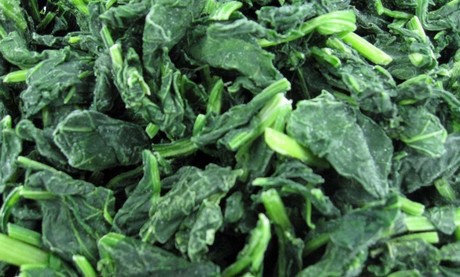

Typical Journey:
- Harvested at peak maturity
- Washed & sorted
- Lightly blanched (short heat treatment)
- Flash frozen at very low temperature
- Cold storage maintained
- Transported in frozen chain
- Stored in consumer freezer
- Cooked directly
⏳ Time to table: Often frozen within hours of harvest Blanching briefly reduces enzyme activity to preserve quality. (Source: Food and Agriculture Organization food preservation guidance)
📊 Nutritional Comparison (Per 100g Raw Spinach)
(Values approximate; can vary by source & variety)
| Nutrient | Fresh Spinach | Frozen Spinach |
|---|---|---|
| Energy | ~23 kcal | ~23 kcal |
| Protein | ~2.9 g | ~2.9 g |
| Iron | ~2.7 mg | ~2.5–2.7 mg |
| Magnesium | ~79 mg | ~75–80 mg |
| Vitamin C | ~28 mg (may reduce with storage) | ~20–28 mg (some loss during blanching) |
| Folate | ~190 µg | ~140–190 µg |
(Source: United States Department of Agriculture FoodData Central)
🧠 Important Insight
- Fresh spinach may lose Vitamin C gradually during storage
- Frozen spinach may lose a small amount during blanching
- After several days of refrigeration, fresh spinach and frozen spinach can have very comparable nutrition
Harvard Health also notes frozen vegetables can have similar nutrient levels to fresh.
(Source: Harvard Health Publishing)
🏠 What Reaches the Dinner Table?
Fresh Spinach:
✔ Feels natural
✔ Good if used same day
⚠ Can wilt and lose nutrients if stored long
Frozen Spinach:
✔ Stable nutrition
✔ No cleaning or waste
✔ Year-round consistency
⚠ Texture slightly softer after cooking
💬 Final Simple Truth
- Fresh spinach is eaten within 24 hours → Excellent choice
- Fresh spinach sits 4–5 days in fridge → Frozen may actually retain similar or sometimes better nutrition
The real enemy is not freezing.
The real concern is ultra-processed food — not single-ingredient frozen vegetables.